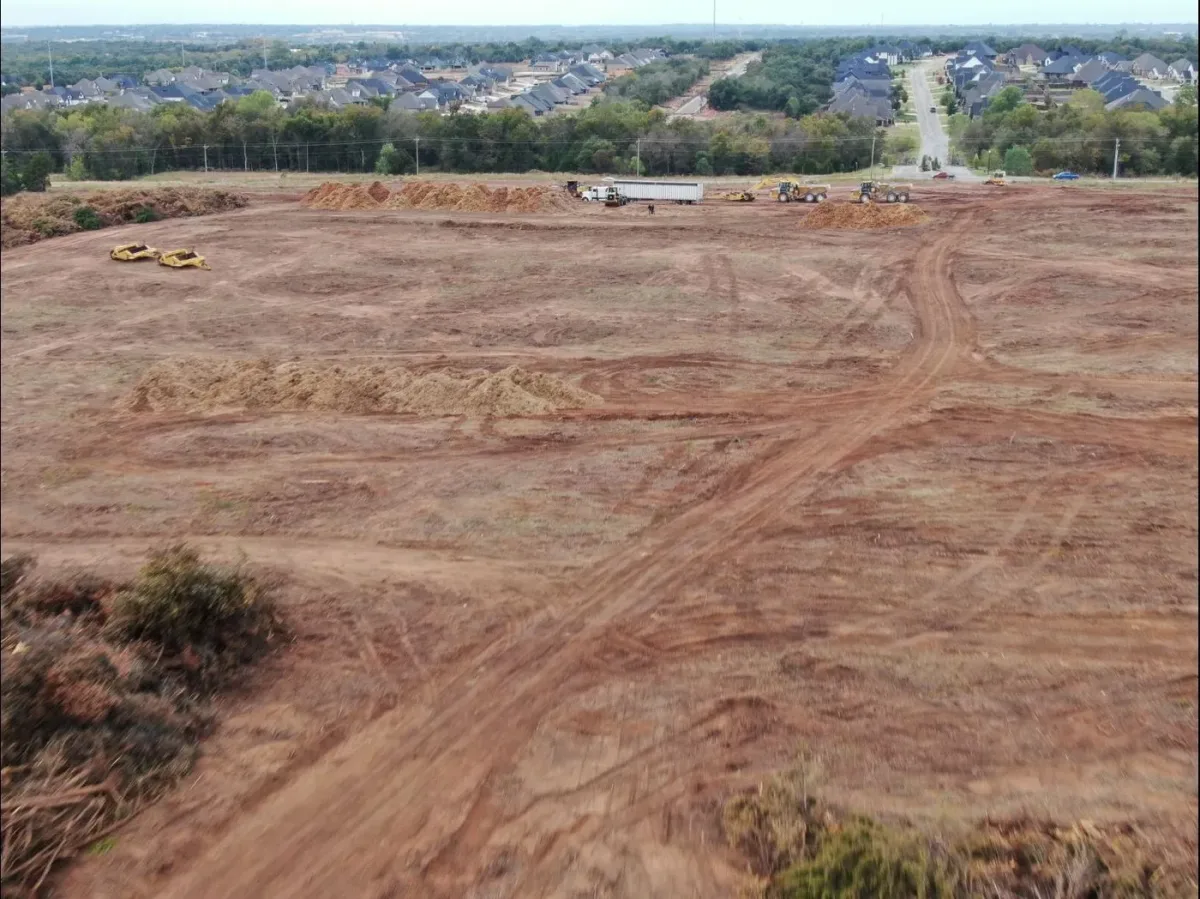
What Our Lot and Land Clearing Covers
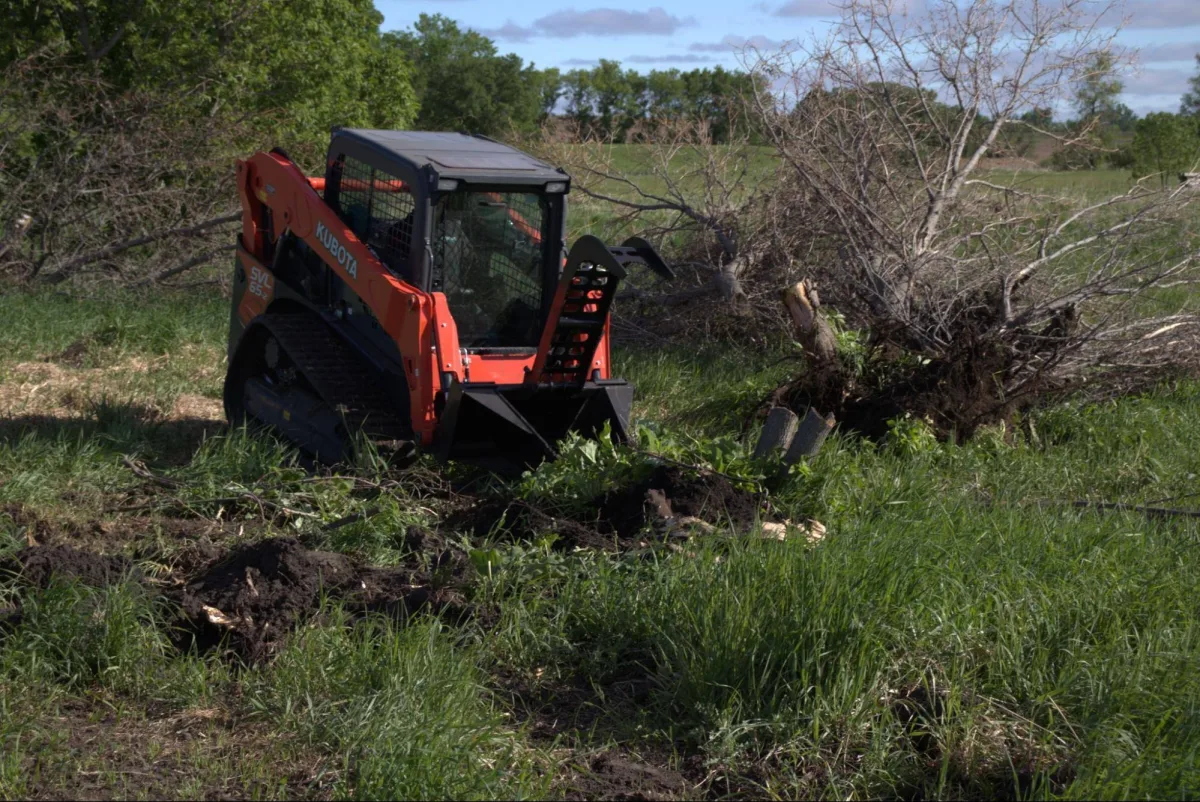
Most of the work is the growth and what sits under it. We cut brush, weeds, tall grass, and vine tangles like blackberry. Small trees and saplings come out with the brush. Poison oak comes out too, and crews suit up for it.
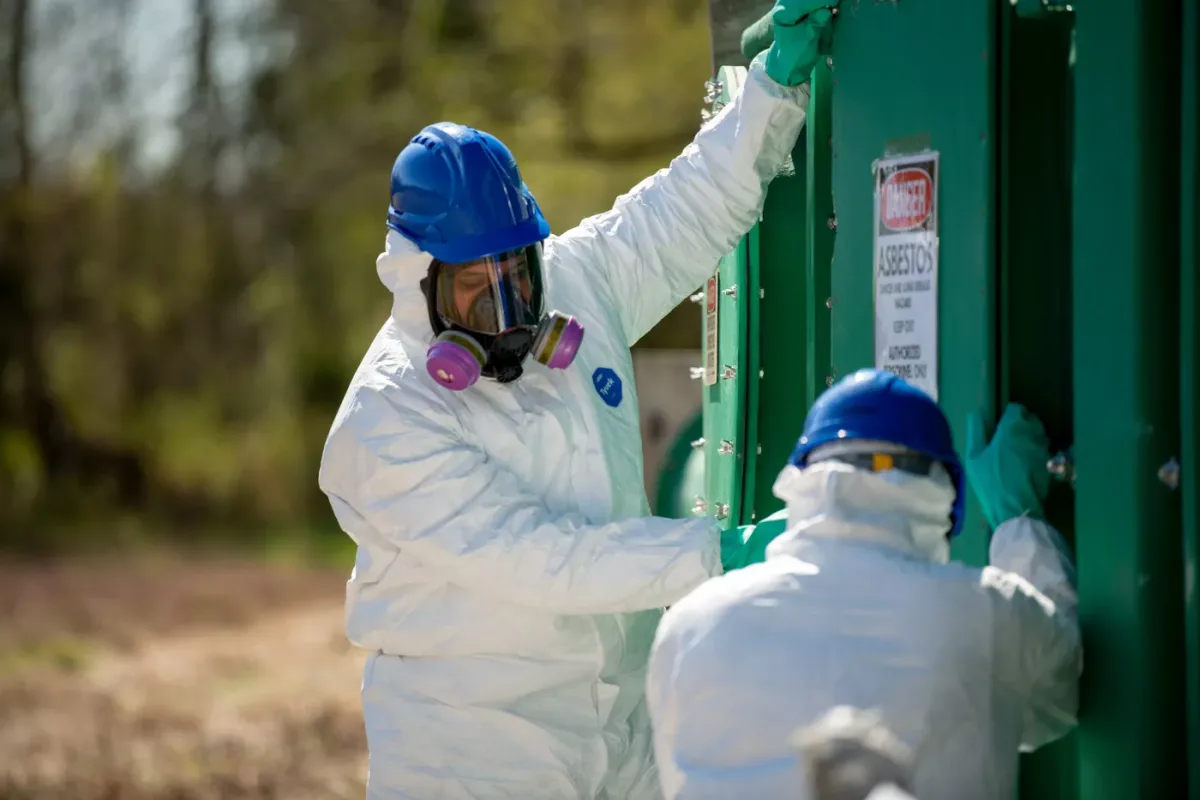
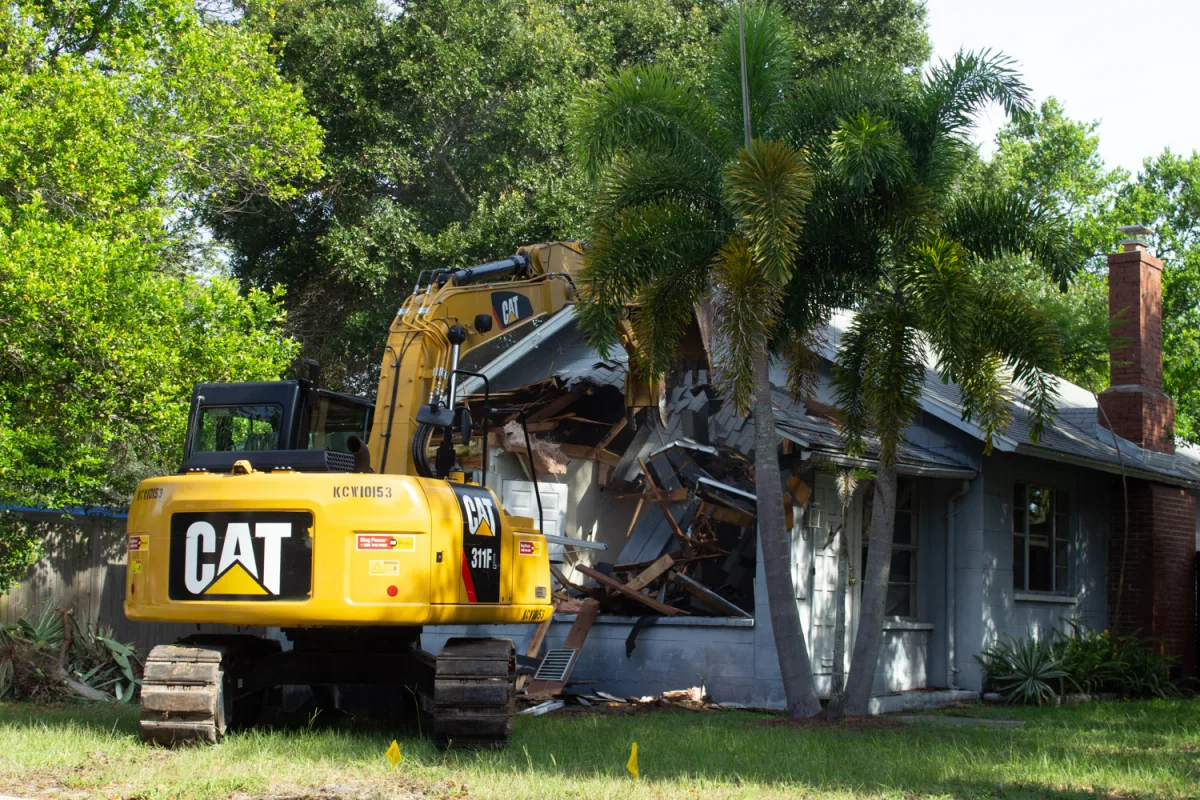
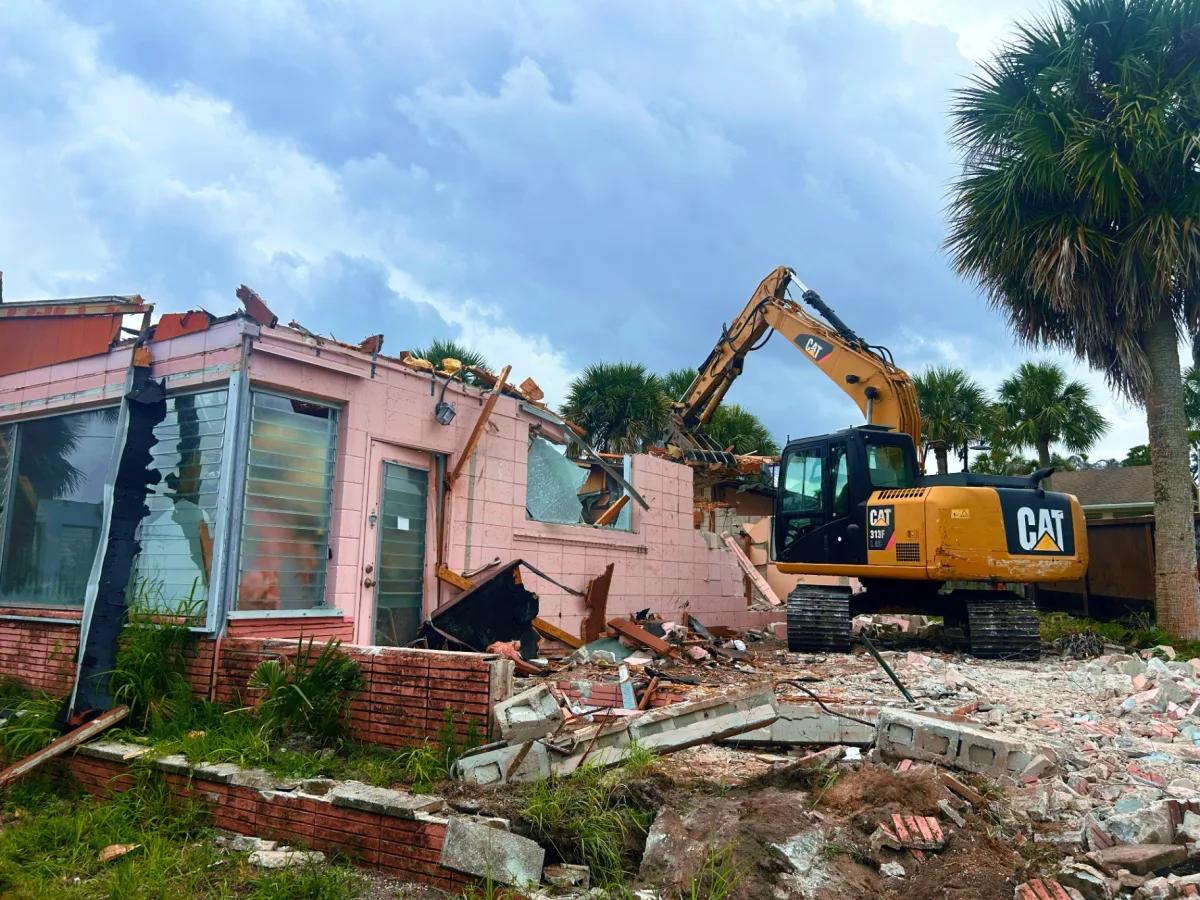
The rest of the job is what has been left behind. Old fencing, scrap wood, tires, and dumped trash get loaded and hauled off. Concrete slabs and footings come out under concrete demolition, which we run as its own service. A structure still standing on the lot is a demolition job.
Why California Lots Get Cleared
Fire clearance drives a lot of this work. State law calls for defensible space up to 100 feet around a home in fire areas. In the 30 to 100 foot band, the goal is less fuel, with grass mowed to four inches. We cut brush and dry growth back so the ground around your home stays lean.
Code enforcement is the other common reason. Stanislaus County treats weeds and rubbish on a parcel as a public nuisance. The county mails a notice to abate, and county cleanup costs can become a lien on the property. Cities around the Valley run similar programs, and owners often call after a notice arrives.
How a Clearing Job Runs and Where the Debris Goes
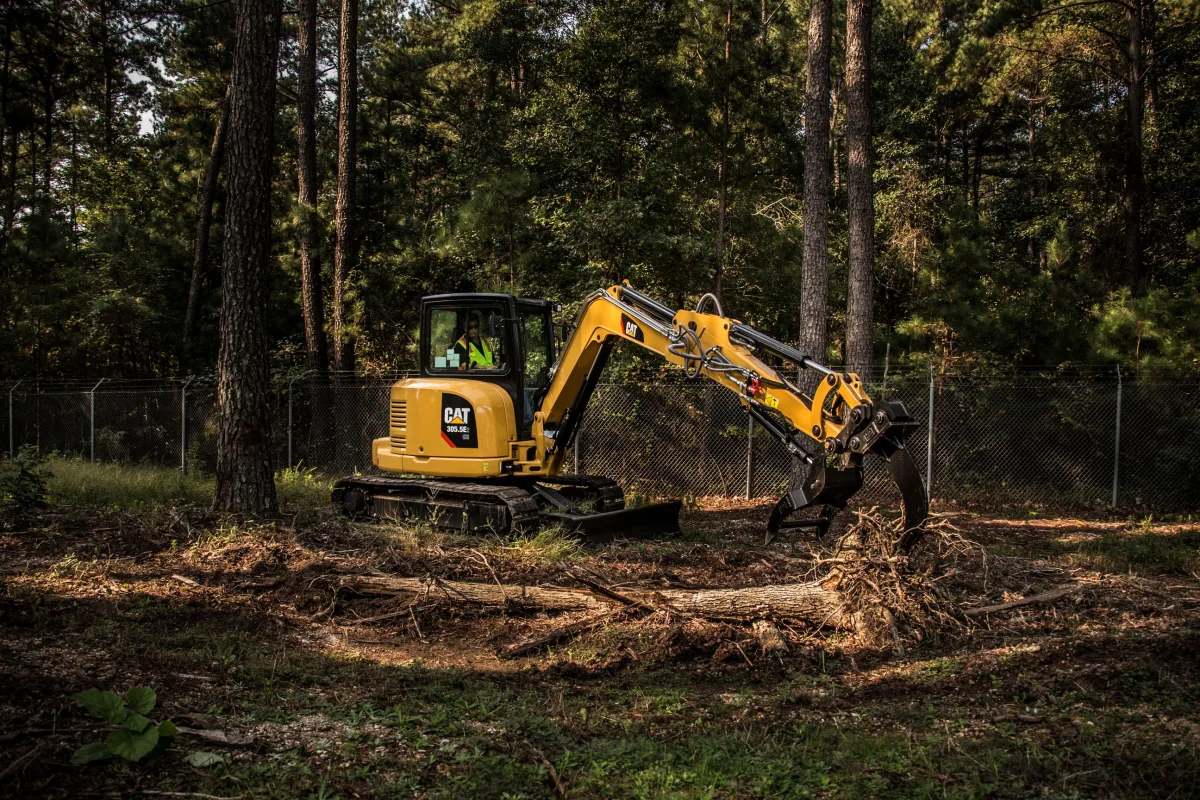
We look at the lot first and pick the method. Open ground with heavy brush suits a machine with a cutting head. Tight spots near fences and structures get cleared by hand with saws. The same crews handle work like land clearing in Santa Clara on the Bay side.
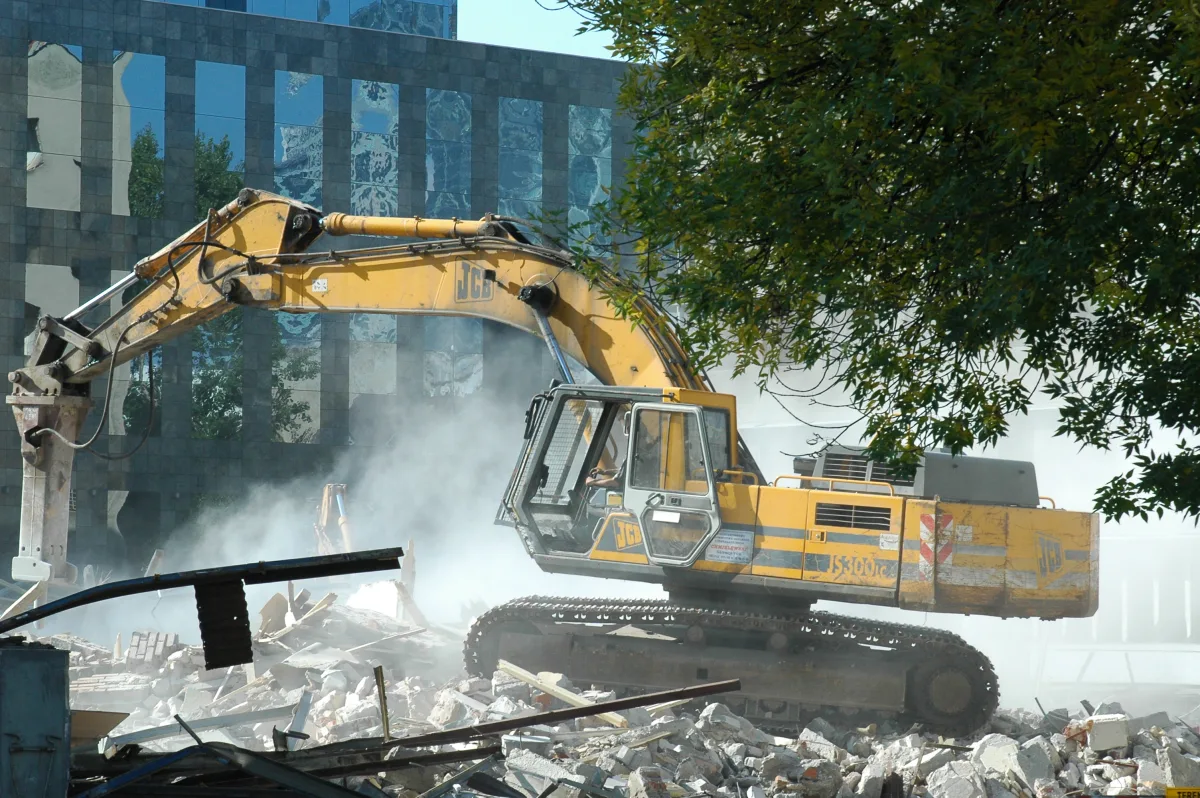
Green waste goes to a facility that chips or composts it. Mixed loads with wood, metal, and trash head to a landfill or transfer station. Waste from Riverbank and the towns around it goes to the county's Fink Road landfill. On a teardown, clearing debris gets sorted with the commercial building demolition material.